


Cannonau: History and curiosities about Sardinia's iconic wine
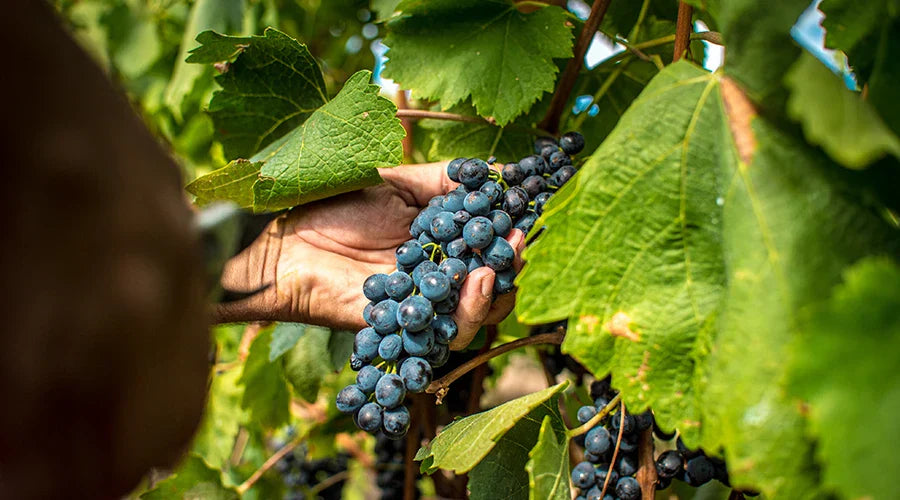
Cannonau is deeply rooted in the history and culture of Sardinia, so much so that it is recognized as one of the island's iconic wines. Its history is fascinating and ancient, so much so that many experts believe Cannonau is one of the oldest grape varieties cultivated in the Mediterranean. The first signs of grape cultivation on the island date back more than 3,000 years, to the Nuragic era, when Sardinia was home to an advanced and mysterious civilization. Since then, the Cannonau grape has become rooted in Sardinian history, becoming an undisputed protagonist of the local winemaking tradition.
Over time, Cannonau di Sardegna has become an icon not only for its quality, but also for its connection to the land from which it originates. The Mediterranean climate, characterized by hot, dry summers and mild winters, combined with mineral-rich soils, has allowed this grape variety to thrive and develop unique and unmistakable characteristics. Its spread throughout Sardinia has helped make it an integral part of rural life and the island's gastronomy, establishing it as one of the most popular red wines in Italy and around the world.
Origins of the Cannonau grape variety: between legend and reality
Although Cannonau is universally recognized as Sardinia's most iconic grape, its origins are still a matter of debate among scholars. One of the most popular theories holds that the Cannonau grape may be closely related to the Spanish Garnacha (also known as Grenache in France). This theory is based on the influence of the Aragonese domination, which began in the 14th century, during which the conquerors are believed to have introduced the Garnacha grape to Sardinia, which then adapted perfectly to the island's climate and soil, evolving into the Cannonau we know today.
On the other hand, some archaeological research seems to indicate that vines were already cultivated in Sardinia long before the arrival of the Spanish, making Cannonau a native grape. Some grape seeds found in Nuragic sites seem to indicate that wine production on the island was already a common practice millennia ago, suggesting that Cannonau may indeed be an original Sardinian heritage.
This dichotomy between legend and reality only adds to the fascination of the history of Cannonau, which continues to be a wine with ancient roots, which over the centuries has adapted, transformed, and enriched, becoming one of Sardinia's most precious oenological expressions.
Curiosities about Cannonau
Is Cannonau the oldest wine in the Mediterranean?
Cannonau di Sardegna is not only a highly prized wine, but it is also the subject of some interesting archaeological discoveries that could shed light on the history of Mediterranean winemaking. In 2002, during an excavation in Borore, in central Sardinia, grape seed remains dating back to the Nuragic period, approximately 3,000 years ago, were found. These remains have been associated with wine production, suggesting that Cannonau may be among the oldest wines in the Mediterranean.
This discovery has sparked great interest among scholars, as it would confirm that Sardinia was already an important center for grape cultivation and wine production in ancient times. If confirmed, this theory would make Cannonau not only one of Italy's oldest winemaking expressions, but a true symbol of Mediterranean viticulture history. This distinguishes it from other wines not only for its unmistakable flavor, but also for its historical value, which adds further allure to every bottle.
Does Cannonau have beneficial properties?
Cannonau is prized not only for its flavor and history, but also for its beneficial properties. Recent studies have shown that this wine contains a particularly high concentration of polyphenols, natural compounds that act as powerful antioxidants. Polyphenols help protect cells from oxidative damage, helping reduce the risk of chronic diseases, such as cardiovascular disease.
Some researchers attribute moderate consumption of Cannonau wine to one of the reasons for the longevity of the inhabitants of Sardinia, which is recognized as one of the so-called "blue zones," areas of the world where people live the longest. Sardinians, especially those inland, have dietary habits that include a Mediterranean diet based on olive oil, whole grains, legumes, fruits, vegetables, and, of course, Cannonau wine. The presence of polyphenols and other beneficial substances makes Cannonau wine an ally in preventing cellular aging and maintaining a healthy heart.
In addition to these physical benefits, many claim that drinking a glass of Cannonau is a relaxing pleasure, a moment to unwind and enjoy life, promoting mental well-being as well.
Why is Cannonau called that?
The origin of the name Cannonau is as interesting as the grape's history. There are various theories about its etymology, but one of the most widely accepted links it to the Spanish word "canno," meaning "reed" or "stem," a reference to the robustness and resistance of Cannonau vines, which are able to withstand Sardinia's harsh climate, including strong winds and scarce water.
Another theory is that the name Cannonau may derive from an ancient Sardinian dialect, linked to words now fallen into disuse that described particular characteristics of the grape variety or the wine derived from it. Whatever the exact origin of the term, today the name Cannonau is synonymous with excellence and winemaking quality, representing one of Sardinia's greatest winemaking treasures and a shining example of how tradition can coexist with innovation.
History and Innovation: the Cannonau of Siddùra
Cannonau di Sardegna represents one of the most authentic expressions of Sardinian winemaking culture, with a history intertwined with the island's ancient traditions and a reputation that continues to grow internationally. This grape variety's appeal lies in its ability to convey centuries of Mediterranean life in every sip, but also in its extraordinary versatility, making it perfect for both young and more complex interpretations, and for a variety of food pairings.
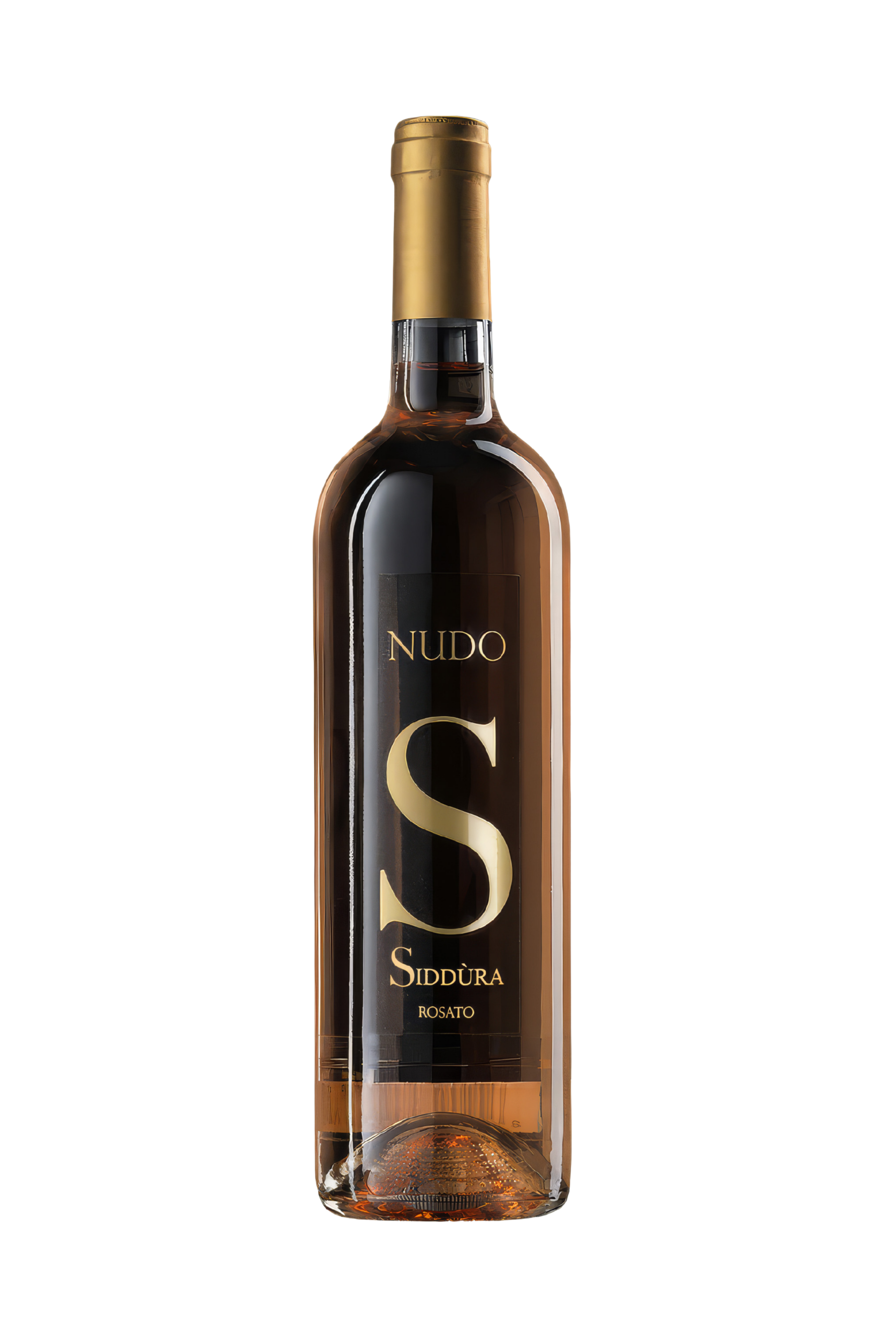
It is precisely in this context that Siddùra's Cannonau wines are born, perfectly embodying the balance between tradition and innovation. Èrema, Fòla, and Nudo wines represent three distinct interpretations of this extraordinary grape variety.
Èrema is a young, lively, and fresh Cannonau, perfect for those seeking a versatile and immediate wine. Fòla captures the deepest and most structured essence of Cannonau, for those seeking a complex and meditative experience. Nudo, on the other hand, explores the more delicate and refined side of Cannonau, with its rosé version highlighting the purity of the grape, offering elegant freshness and a light, fragrant aromatic profile.
Through these wines, Siddùra celebrates the long history of Cannonau, carrying on a thousand-year-old legacy and projecting it into the future with a touch of elegance and modernity, demonstrating how Cannonau can express itself in ever new and surprising ways.
Read more
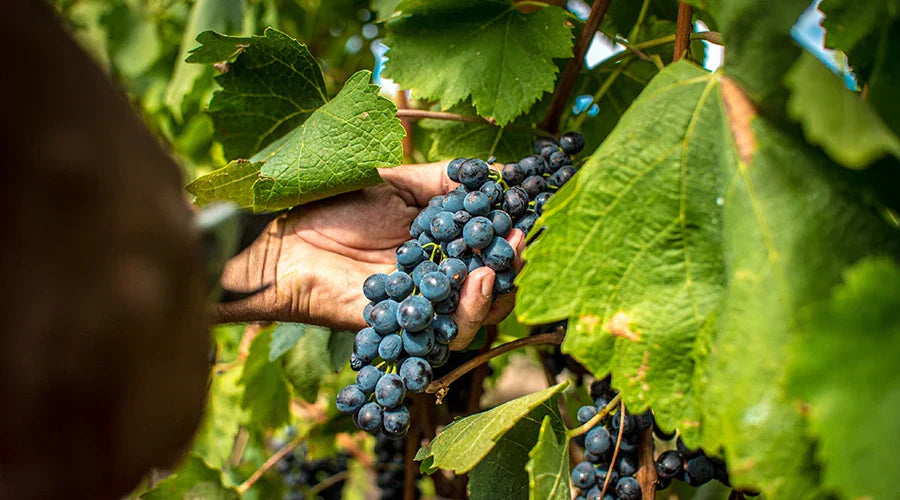
Black grapes, thick skin, slow ripening. Cannonau is a grape that can withstand the fierce sun, the relentless wind, and the arid soils of Sardinia. From Barbagia to Gallura, Cannonau changes voic...
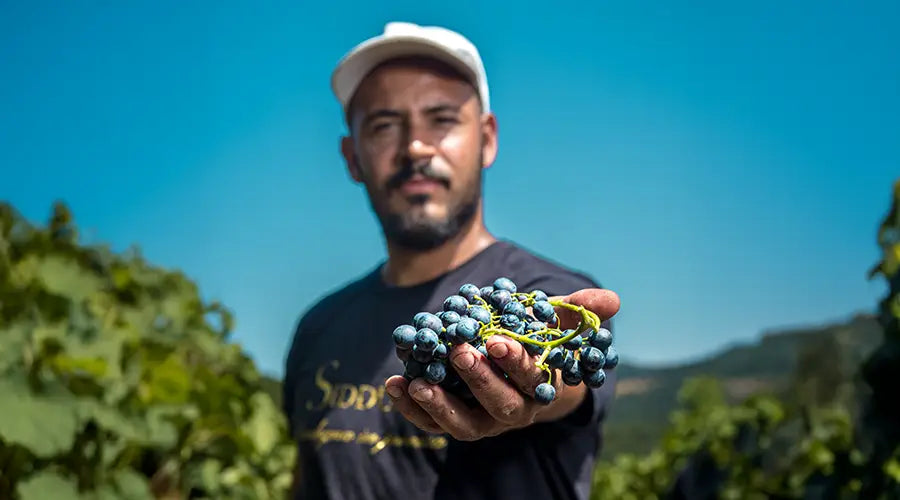
Every aspect of Cannonau tells a story. Intense ruby red in young wines, garnet in aged ones. On the nose: cherry, plum, spice. In mature wines: tobacco, leather, cocoa. On the palate: structure...